

Kuala Lumpur’s heritage neighborhoods which were formerly recognized for their quiet alleys and rundown shophouses, are now buzzing with culture, vibrancy, and creativity. KL’s heritage neighborhoods, from Chinatown’s alleyways to Masjid Jamek, are being converted into centers of contemporary living. They perfectly capture how the city maintains its personality while progressing by fusing hip cafés, street art, and local businesses with old architecture.
There is more to this change than just aesthetics. It revitalizes the center of the Malaysian capital and represents a rising awareness for cultural uniqueness and innovative enterprise.
Street Art Reviving Heritage Neighborhoods in Kuala Lumpur
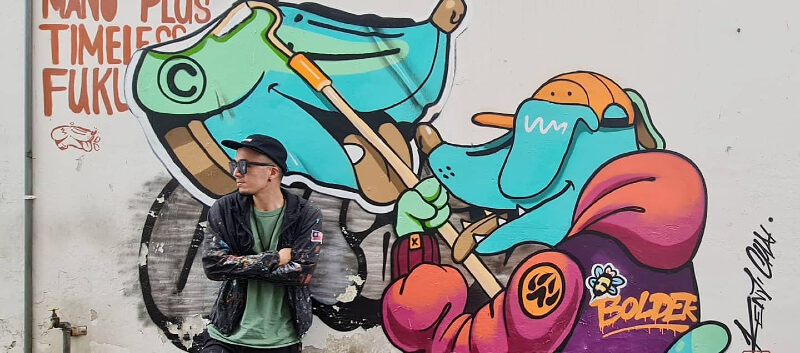
Every wall in around KL’s heritage neighborhood has a story painted on it. Bold, expressive, and passionately local, street art has emerged as the new KL’s visual expression. These paintings frequently honor local symbols, traditional crafts, and Malaysian culture.
Artists such as Cloakwork and Kenji Chai have turned neglected corners into outdoor galleries, transforming Kuala Lumpur’s historic districts into must-see locations for art enthusiasts and Instagram users alike. In order to demonstrate how creativity can revitalize historic locations without forgetting their origins, the city’s tourist board has even included mural trails into walking tours. These paintings, which go from deterioration to design, are more than just ornaments; they encapsulate the spirit of contemporary KL, where tradition is not abandoned but rather reinterpreted.
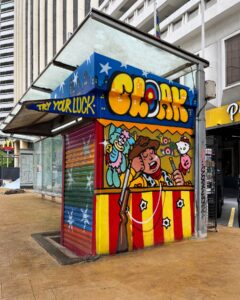

Image Credit: Cloakwork & Kenjichai
Café Culture Brewing in Kuala Lumpur’s Heritage Streets
In KL, café hopping has become almost a weekend habit. But these days, the setting is just as important as the coffee. Numerous cafés have opted to establish within Kuala Lumpur’s historical neighborhoods, maintaining historic architectural features while incorporating contemporary design.
Consider Luckin Kopi in Chinatown, where pre-war columns surround a simple, light-filled area, or Merchant’s Lane, where rustic tiles meet neon signage. Visitors experience nostalgia with a contemporary twist because to the fusion of historical charm and modern designs. This is not merely an aesthetic trend, it boosts regional economy. By establishing themselves in historic areas, these cafés attract customers who revitalize nearby small enterprises, craftspeople, and weekend markets, resulting in a chain reaction of revitalization across historic streets.
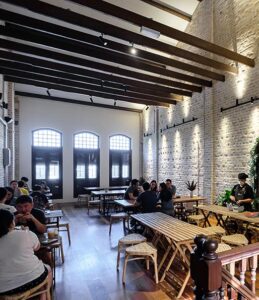
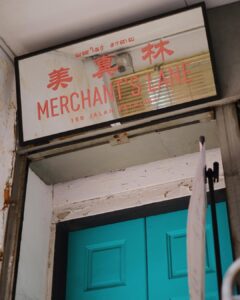
Image Credit: Malaysian Flavours
Local Brands Bringing New Life to Heritage Neighborhoods in Kuala Lumpur
Beyond coffee and murals, Kuala Lumpur’s heritage neighborhoods are being revitalized by local companies. These locations are ideal for independent labels and creative companies since they perfectly reflect their identities.
Malaysian talent may be found in concept stores, handcrafted goods, and antique boutiques. For example, Kanoe Batik combines ancestral artistry with modern fashion to give traditional batik clothing a contemporary spin. While Ana Tomy, redefines individuality with handmade stationery and lifestyle items that showcase classic elegance and regional ingenuity. These companies tell stories in addition to selling goods. Once-quiet shophouses are transformed into creative icons by their presence, attracting a new generation of cultural vultures and design enthusiasts. Together, they are demonstrating how Kuala Lumpur’s heritage neighborhoods can flourish as centers of innovation while maintaining strong ties to their cultural history.

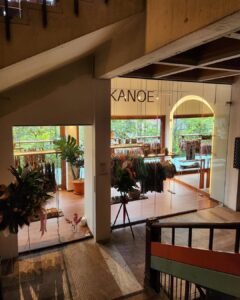
Image Credit: Kanoe Wear
The Perfect Balance Between Preservation and Progress
While modernity presents opportunities, balancing is essential to maintaining the authenticity of Kuala Lumpur’s heritage neighborhood. Architects, local companies, and city planners are increasingly working together to make sure preservation initiatives support sustainable urban expansion.
Adaptive reuse, or repurposing rather than rebuilding, is emphasized in restoration efforts. This method preserves the location’s architectural essence while enabling it to serve modern purposes. In KL’s rapidly evolving cityscape, heritage is given a new meaning by converting vintage markets into creative spaces. Additionally, these changes promote a sense of communal pride. Residents take on the role of neighborhood guardians, maintaining the city’s heritage character while also contributing to its changing identity.

Image Credit: NST Malaysia
Experiencing Heritage Neighborhoods in Kuala Lumpur Today
Every road in Kuala Lumpur’s heritage districts offers an origin story, making exploring them seem like turning pages in an interactive literature book. Stroll down Jalan Sultan, where contemporary restaurants are hidden behind historic façades; or go to Masjid Jamek, where traditional old shop lots tower above futuristic buildings. Taste, hear, and feel the culture instead of merely seeing the building. Savor regional coffee blends created using traditional recipes, go to open-mic events at Jao Tim, and show your support to craftspeople who sell handcrafted items from refurbished booths. Aside from transition words, this revival’s greatest feature is its accessibility. Bring curiosity, a camera, and a passion for learning about the intersection of the old and the modern KL.

Image Credit: Jao Tim
In your city-explorer era? Don’t miss out on these reads:
FOMO vs JOMO: The New Rules of Going Out in the City
Soft Life, Hard Times: Why Gen Z Romanticizes Everyday Moments
Superfoods because Healthy Eating is more than just Hype

