
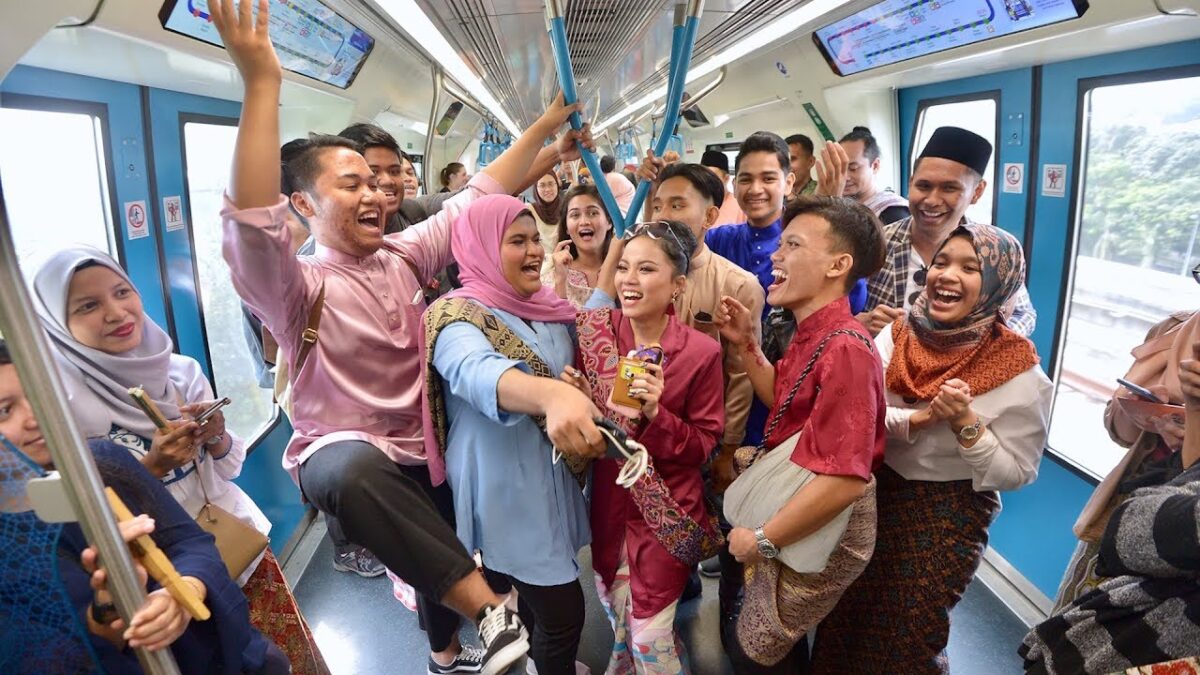
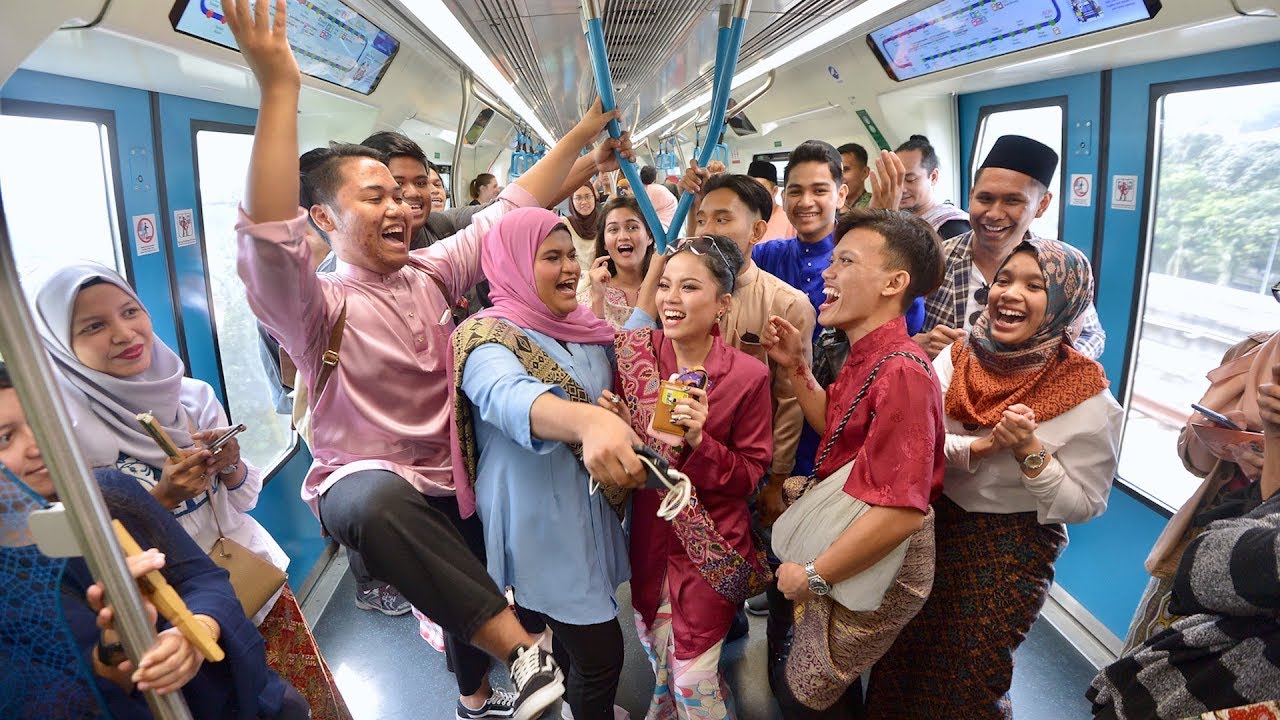
If you’ve ever been on a train in Malaysia on September 16th, you might have seen something unusual. Instead of the usual crowd in office wear or casual tees, the carriages are suddenly full of people wrapped in colourful sarongs. Music plays, strangers chat like old friends, and what should be an ordinary commute turns into something that feels like a moving festival. That’s Keretapi Sarong—a yearly celebration of heritage that’s as fun as it is meaningful.
The Sarong, Then and Now
For a lot of us, the sarong feels familiar. It’s what grandparents wear at home, what you might see hanging in the corner of a kampung house, or something you throw on for comfort. It’s easy, versatile, and has been around for centuries.
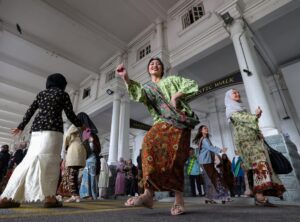
But somewhere along the way, younger generations started to see it as old-fashioned. Something from the past. Keretapi Sarong flips that idea on its head. By bringing the sarong out of the living room and into public spaces—train stations, city streets, and even malls—it gives the cloth a new kind of cool.
Where It All Began
The idea kicked off back in 2012, when a small group of Malaysians decided to mark Malaysia Day with a flash mob. Instead of just waving flags, they wore sarongs on the train, danced, and sang. It wasn’t political; it was simply about celebrating culture and unity in a fun, unexpected way.
That spark caught on. Each year, more people joined. The movement crossed over into Singapore too, with commuters in MRT trains turning heads as they proudly wore their sarongs. What started as a niche idea has become something people look forward to every September.
More Than Just Dressing Up
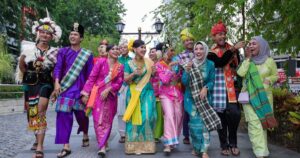
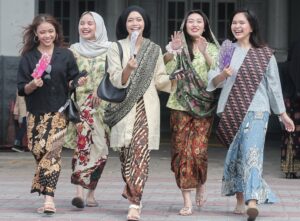
Some might think it’s just a costume party, but it runs deeper. The sarong is one of the few pieces of clothing that cuts across race, religion, and even class. Malays wear it, Chinese wear it, Indians wear it, Peranakans too. And it isn’t limited to one style—you can tie it as a skirt, fold it as a shawl, or wrap it into a makeshift bag. That adaptability makes it a perfect symbol for multicultural societies like Malaysia and Singapore.
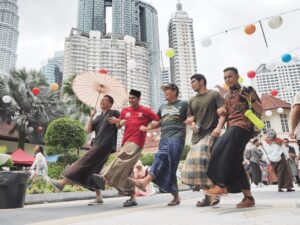
Plus, people get creative. You’ll see sarongs with sneakers, paired with blazers, or styled with crop tops. It shows that tradition doesn’t have to be frozen in time. It can evolve, blend with modern fashion, and still hold its meaning.
The Journey Experience
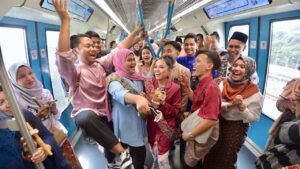
One of the best parts of Keretapi Sarong is the ride itself. Participants gather at designated stations, and the vibe is instantly different. You’ll hear buskers playing old Malay songs, maybe a kompang group, or even someone strumming a guitar. Strangers who would normally avoid eye contact suddenly start chatting and laughing together.
Once the train doors close, it feels like a rolling party. Some people dance, some just enjoy the atmosphere, others document the whole thing on TikTok or Instagram. And regular commuters who weren’t expecting it? They usually end up smiling—or even joining in.
A Reminder of Unity
Unity is a big word, but sometimes it’s the small things that bring people together. The sarong doesn’t belong to one group; it belongs to everyone. That’s why the event feels inclusive. For one day, people stop focusing on what makes them different and celebrate what they share.
It’s also no coincidence that it’s held on Malaysia Day. The sarong becomes more than just fabric—it’s a reminder of identity, belonging, and independence. No speeches needed. The act itself says enough.

Why It Matters Today
We live in a time where fast fashion dominates, and cultural practices risk being forgotten. Keretapi Sarong is a refreshing counterbalance. It’s sustainable (most people just wear one they already own), it’s authentic, and it’s fun. No ticket price, no exclusive guest list—just show up in your sarong and join in.
That simplicity is part of why it resonates. People crave real, meaningful experiences. This event proves that you don’t need a big budget or a grand stage to celebrate culture. Sometimes, all it takes is cloth, music, and a train.
The Road (or Track) Ahead
With social media, Keretapi Sarong’s reach has exploded. Photos and videos of trains packed with sarong-wearing commuters spread like wildfire every year. Some have suggested taking it beyond trains—to buses, ferries, maybe even airports. Who knows?
But whether it grows bigger or stays as it is, the spirit remains the same: celebrate heritage, celebrate people. Whether your sarong is batik, checked, or plain cotton, the message is simple—tradition isn’t gone, it’s alive and kicking.
Closing Thoughts
Keretapi Sarong proves that old traditions don’t need to gather dust. With a little creativity, they can be revived and even made trendy again. For a day, trains become moving parades of colour, laughter, and pride.
So if September 16th rolls around and you see someone hopping onto the train wrapped in a sarong, don’t be surprised. They’re not just commuting. They’re carrying culture with them—and inviting you to be part of the ride.
If you enjoyed reading about this, check out other postings on Malaysia’s gems and don’t forget to follow @citykaki.life on Instagram.
Also read: Best Speakeasy & Jazz Bars in Malaysia You Need to Visit

Just a curious soul in love with her home, Malaysia — hunting down hidden gems, underrated eats, and everyday magic.