
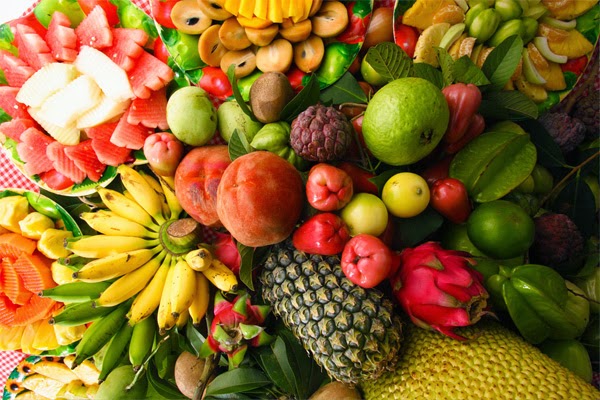

Malaysia’s tropical weather is like a cheat code for growing fruit — we’ve got tons of it all year round. Everyone knows the big stars like durian, mangosteen, and rambutan, but there’s a whole lineup of local fruits that don’t always get the attention they deserve. These “lowkey” superfruits aren’t just tasty, they’re packed with vitamins, minerals, and antioxidants that could give imported superfoods a run for their money. Think of it as nature’s way of giving us a health boost with some serious flavor. Let’s dive into a few of these underrated gems, when they’re in season, and where in Malaysia you can score the freshest ones.
Ciku (Sapodilla)
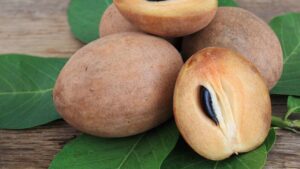
Image credits: mypati.my
Ciku, otherwise known as sapodilla, is a small brown fruit that looks plain from the outside. It is however surprisingly sweet and malty inside. Rich in dietary fiber, vitamin C, vitamin A, and natural sugars, it makes for an energy-boosting snack. Ciku is in season between March and May, and again from September to November. Kedah and Perlis are especially known for producing the sweetest varieties.
Buah Kundang (Marian Plum / Plum Mango)
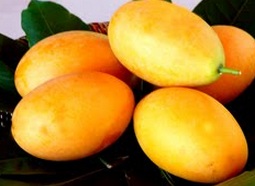
Image credits: animhosnan.blogspot
Another lowkey gem is buah kundang, or marian plum. It’s a golden-orange fruit that is juicy and tangy, with a flavor that tastes like a combination of mango and a plum. It is packed with vitamin C, beta-carotene, and fiber. These are all great for skin and eye health. The fruit is usually available from March to June, and Perak and Kedah are where you’ll find some of the best harvests
Jambu Air (Water Apple)
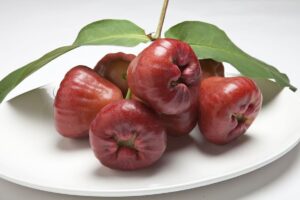
Image credits: neuroversiti.com
Jambu air, or water apple, is a refreshing fruit that is crisp and hydrating. All thanks to its high water content! It carries vitamin C, calcium, potassium, and iron, making it both light and nutritious. Its peak season falls between May and September, and Perak, particularly Teluk Intan, is famous for large, juicy varieties.
Belimbing (Starfruit / Carambola)
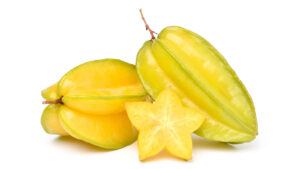
Image credits: neuroversiti.com
Belimbing, more commonly called starfruit, is one of the most eye-catching local fruits. Slice it, and you get star-shaped pieces that look great in salads or juices. It is high in vitamin C, antioxidants, and soluble fiber while being low in calories. Starfruit is available all year, though the best time is July to October. Penang’s Balik Pulau and parts of Selangor are especially known for their starfruit orchards.
Buah Salak (Snake Fruit)
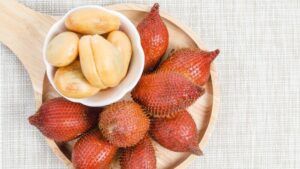
Image credits: mypati.my
In Sabah and Sarawak, buah salak, or snake fruit, stands out with its reddish-brown scaly skin. Despite its intimidating exterior, the flesh is crunchy and sweet with a slight tang. It contains potassium, calcium, iron, and plenty of antioxidants. This is great for digestive and heart health. The best time to enjoy salak is between June and August.
Buah Sentul (Santol)
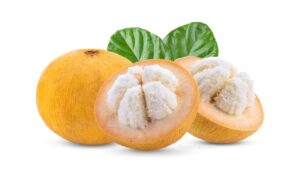
Image: helomedik.com
Buah sentul, or santol, is another fruit that rarely gets attention. With a soft, fibrous pulp that can be tangy or sweet depending on the variety, it is a good source of vitamin C, calcium, and iron. It usually ripens between June and August and can be found in Kedah, Kelantan, and Terengganu.
Terap (Tarap Fruit)
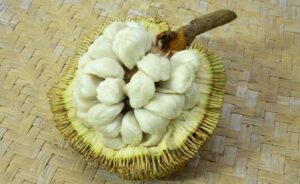
Image credits: mysabah.com
Tarap originated from Borneo is a fruit that looks like jackfruit but is much softer and more fragrant.The creamy flesh is rich in carbohydrates, vitamin C, and even an outstanding amount of protein compared to other tropical fruits. Tarap is best in season from November to February and is most commonly found in Sabah and Sarawak.
Langsat (Lanzones)
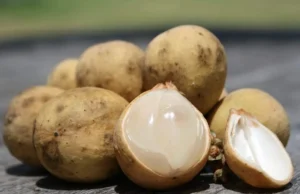
Image credits: fruit.fandom.com
Langsat, or lanzones, is another underrated treasure. Its pale yellow skin hides translucent segments of sweet and tangy flesh. Nutritionally, it offers vitamin A, thiamine, riboflavin, and dietary fiber. It is usually available between August and October, with Perak, Johor, and Pahang producing some of the best fruits.
Conclusion
Malaysian fruits don’t always get the hype they deserve, but trust me, they’re loaded with good stuff. From jambu air that keeps you hydrated to ciku that’s basically nature’s candy with antioxidants, every fruit has its own vibe and health perks. Snacking on them isn’t just about eating clean — it’s also a cool way to support local farmers and rediscover what grows right here at home. So next time you’re at a pasar tani or road-tripping across states, don’t just walk past the fruit stalls. Grab something new — who knows, you might find your next go-to snack.
And when you share your fruit-hunting adventures online, don’t forget to tag us @citykaki.life — we’d love to see the local gems you discover!
Also read: Superfoods because Healthy Eating is more than just Hype

