


Across Kuala Lumpur, older buildings are finding new life as community hubs in KL that bring people together. Instead of being demolished, former schools, offices, and shopping complexes are being transformed into spaces where work, creativity, food, and culture coexist. These revitalised places offer something many city dwellers crave: room to connect, collaborate, and simply spend time together.
Rather than serving a single purpose, many community spaces now function as gathering points for events, markets, creative projects, and casual meetups. As a result, they play an important role in shaping a more connected urban culture. Two places that capture this transformation particularly well are The Campus Ampang and Semua House.
The Campus Ampang: A School Turned Creative Community Space


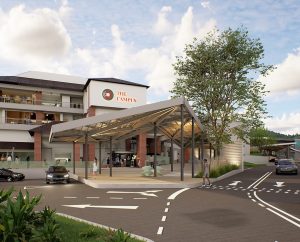
Image source: huddlehuddle Website
Before becoming a vibrant lifestyle destination, The Campus Ampang operated as a private international school located in the heart of Kuala Lumpur. Its classrooms, hallways, and sports grounds once hosted lessons, school plays, and sports days.
When the school eventually closed, the building faced an uncertain future. Instead of tearing it down, however, the team behind the project chose to preserve the structure and reimagine its purpose. Today, the former school has transformed into one of the most distinctive community hubs in KL for creatives, entrepreneurs, and local communities.
A School Reimagined for Collaboration
Walking through The Campus today, traces of the old school remain visible. The redevelopment retained much of the building’s original framework while introducing modern design elements and open spaces.
Former classrooms now operate as co-working studios and event rooms. Meanwhile, outdoor corridors and courtyards allow sunlight and fresh air to flow throughout the compound.
Even the sports facilities still serve a purpose. The football field, Champion’s Court, and swimming pool are now available for recreational use, team activities, and community gatherings.
Events That Keep the Community Moving
One of the defining features of The Campus is its adaptability. Indoor spaces connect naturally with outdoor areas, which allows the venue to host a wide range of activities.
On any given week, visitors might encounter pottery workshops, acoustic music nights, pop-up markets, or brand launches. Meanwhile, the open field regularly hosts fitness sessions and community sports events.
Because of this flexibility, The Campus continues to grow as one of the most dynamic community hubs in KL.
A Food Destination Within the Hub
Another reason people linger at The Campus is the selection of food spots located within the compound. Visitors can easily transition from work sessions to lunch or dessert breaks.
Several popular eateries operate inside the hub:
Universal Bakehouse – An artisanal bakery known for sourdough bread, pastries, and specialty coffee.
Taffy Gelato – A dessert stop offering creative gelato flavours often paired with brioche or croissants.
chunky.my – Famous for thick New York-style cookies that are crispy outside and gooey inside.
EG’s Wok – A fast-casual eatery serving customizable wok-fried dishes with numerous toppings.
Together, these eateries help turn The Campus into a destination that balances productivity with leisure.
Semua House: Reviving a Classic KL Landmark
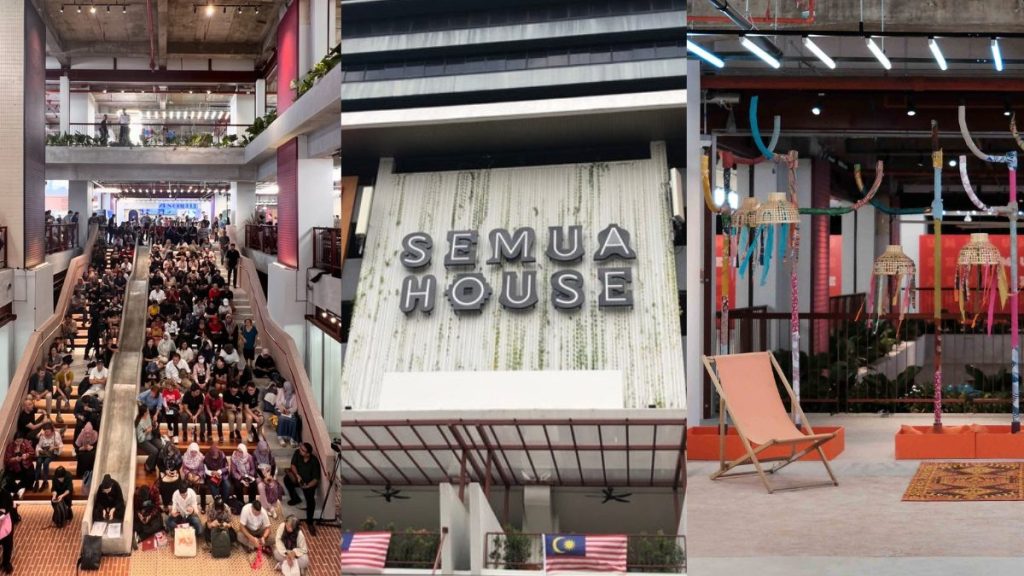
While The Campus began as a school, Semua House tells a different story. Built in the 1980s, the 21-storey building once stood as one of Kuala Lumpur’s busiest shopping and entertainment centres.
Over the years, however, the complex gradually faded as newer malls appeared across the city. Instead of letting the building disappear entirely, developers chose to revitalise it while preserving its architectural heritage.
Today, the renewed Semua House has emerged as another notable example of community hubs in KL evolving from historic structures.
Where Heritage Meets Modern Design
The renovation carefully balances nostalgia and modernity. Architectural elements from the 1980s remain visible throughout the building, reminding visitors of its past.
At the same time, contemporary design updates introduce a fresh energy into the space. Sleek interiors, curated retail spaces, and redesigned gathering areas help modernise the building while keeping its original charm intact.
This blend of past and present gives Semua House a unique atmosphere that feels both familiar and new.
A Marketplace for Local Creators
Inside the revitalised building, visitors will find pop-up stalls and boutiques showcasing local brands and artisans. Instead of focusing solely on large retail chains, the space highlights independent designers and small businesses.
Fashion pieces, handmade accessories, and lifestyle goods fill the retail areas. As a result, the complex feels more like a creative marketplace than a traditional mall.
This approach also allows emerging entrepreneurs to present their work to a wider audience.
Culture, Food, and Youth Energy
Beyond shopping, Semua House also offers a lively mix of cultural programming. The building’s amphitheatre hosts live music performances, art exhibitions, film screenings, and community workshops.
Food remains another major attraction. The central food court brings together a mix of local street food and international cuisine, creating a vibrant dining scene.
Adding even more character to the building is the indoor skate park operated by Union Skate Club. The space has become a gathering spot for skateboarders, BMX riders, and inline skaters, bringing youthful energy into the historic complex.
Why Community Hubs in KL Are Shaping the City’s Future
Spaces like The Campus Ampang and Semua House reflect a broader shift in how Kuala Lumpur approaches urban development. Rather than replacing older buildings entirely, the city is beginning to reinterpret them.
These community hubs in KL demonstrate how historic spaces can evolve into places that support creativity, entrepreneurship, and cultural exchange.
More importantly, they create environments where people gather naturally — whether for work, art, food, or conversation.
As Kuala Lumpur continues to grow, spaces that bring communities together may become some of the city’s most meaningful landmarks.
Also Read: Pasar Besar TTDI: The Beating Heart of a Community

Community Hubs in KL Reviving Old Spaces
